


What Key Parameters Should Furniture Companies Note When Customizing Acoustic Pods?
Release time: 2025-12-15
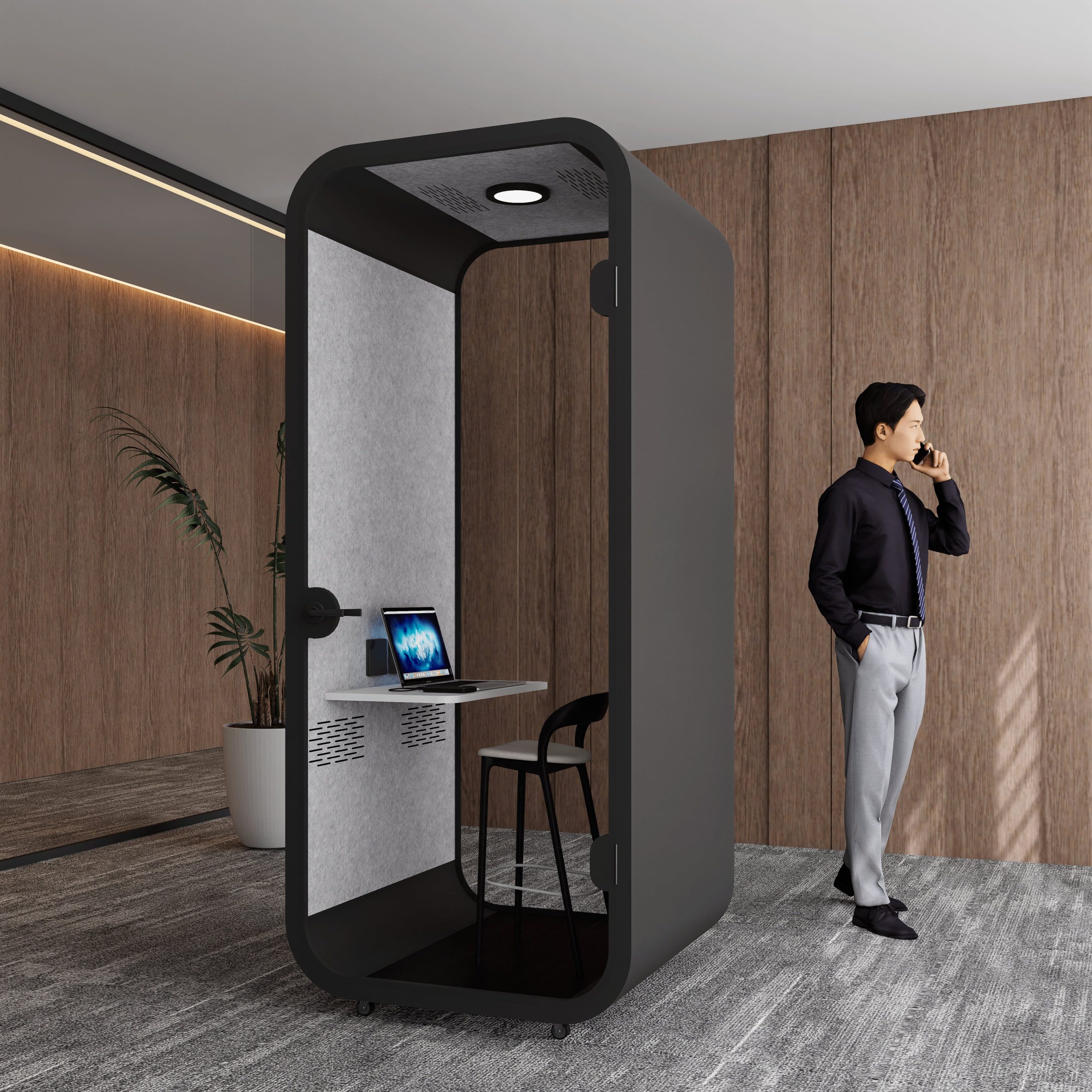
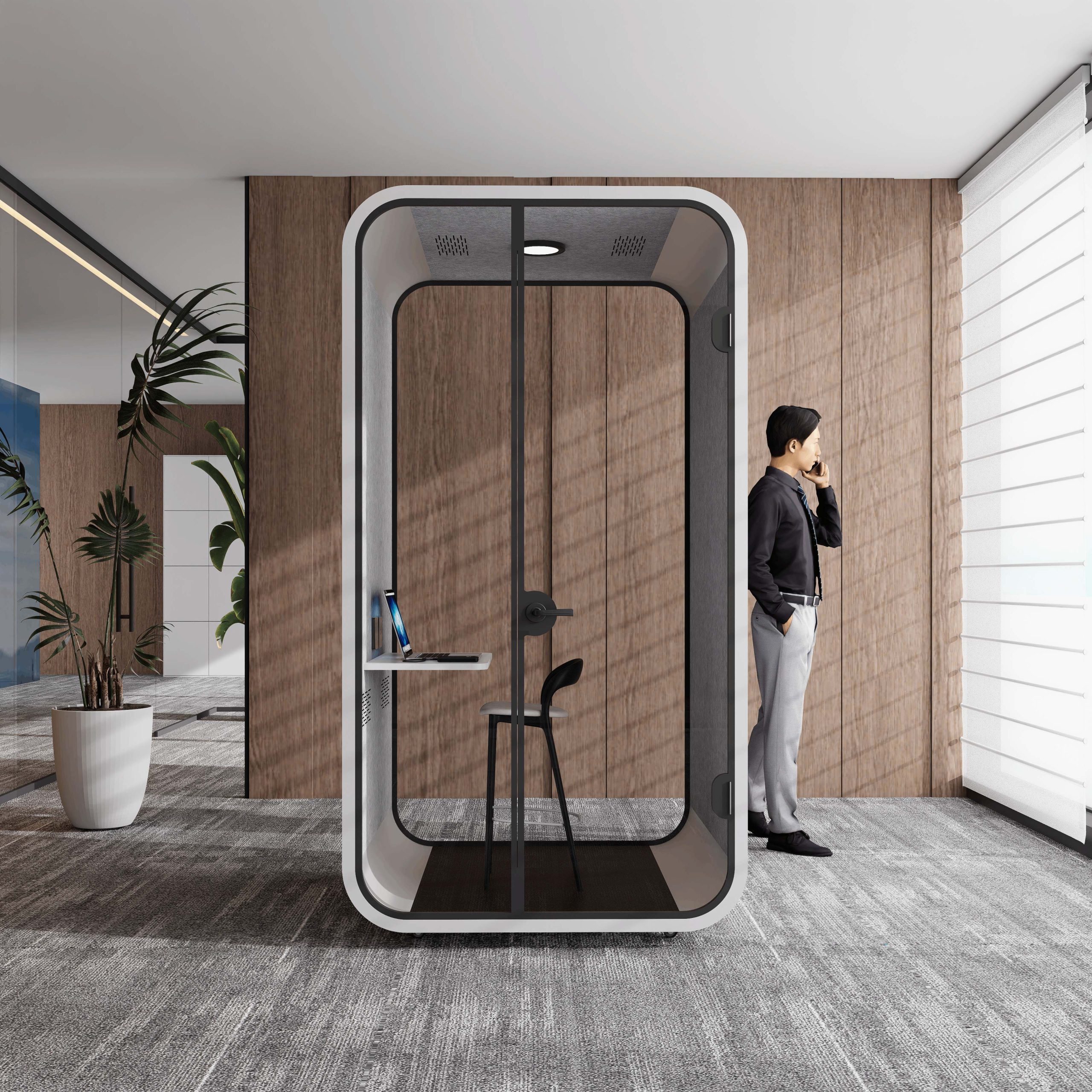
For furniture companies committed to delivering modern, high-efficiency office solutions, the acoustic pod has become an indispensable element in design proposals. However, an acoustic pod is not a simple piece of furniture; it involves complex parameters across acoustics, ventilation, lighting, and building codes.
As professional acoustic pod suppliers, TianCheng has compiled the six critical parameters that furniture companies must focus on when customizing or sourcing acoustic pods to ensure the delivered product is both aesthetically pleasing and high-performing.
1. Acoustic Performance Parameters: Guaranteeing Core Value
The core value of an acoustic pod lies in its noise reduction capability. This is the primary standard for measuring product quality.
- Noise Reduction Coefficient (NRC): This metric measures the ability of the internal sound-absorbing materials to absorb sound. While NRC mainly relates to the interior, a high NRC value effectively reduces echo inside the pod, improving speech clarity.
- Sound Transmission Class (STC) / Weighted Sound Reduction Index(): This metric measures the ability of the pod structure to block sound from escaping.
- For phone booths (single-person pods), an STC or value of at least 30 dB is recommended.
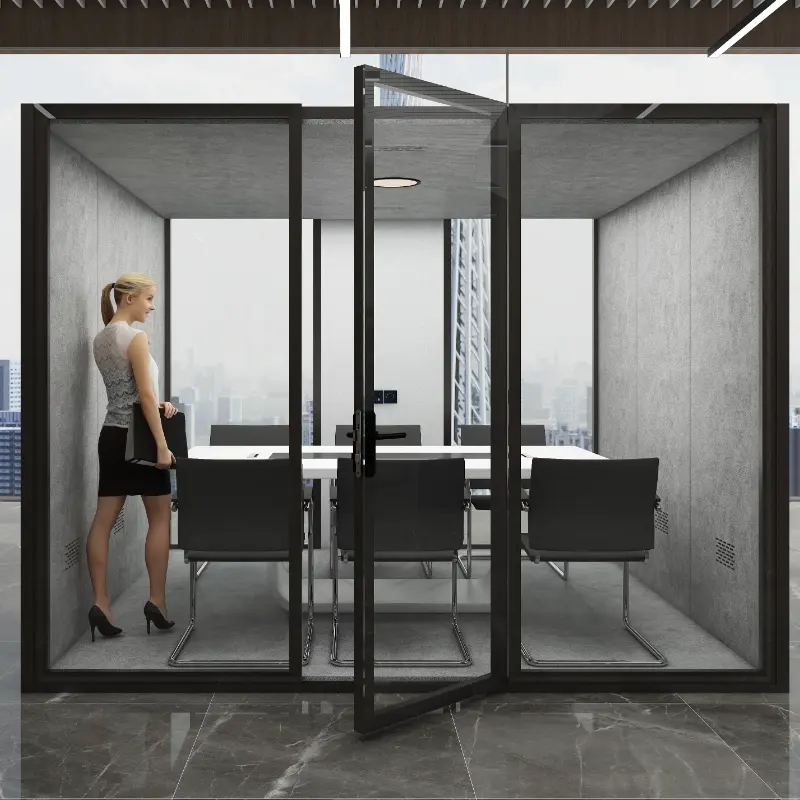
- For meeting pods (multi-person pods), 35 dB or higher is recommended to ensure privacy.
- Reverberation Time (RT60): Measures how quickly sound reflections decay inside the pod. A shorter reverberation time (ideally 0.3 – 0.5 seconds) results in clearer and more comfortable sound within the pod.
Tip: Always request third-party laboratory acoustic test reports from the supplier; do not rely solely on verbal assurances.
2. Ventilation and Air Quality Parameters: Health and Comfort
Since the acoustic pod is an enclosed space, air quality and circulation directly impact the user’s comfort and health.
- Air Changes Per Hour (ACH): Measures the number of times the air inside the pod is completely replaced within an hour.
- Professional acoustic pods should provide a ventilation rate of at least 30–60 ACH, which is significantly higher than standard office rates (approx. 6–8 ACH).
- Airflow Rate and Noise: While ensuring high ACH, the noise generated by the ventilation system must be extremely low (typically required to be below 30 dBA). High fan noise can ruin the pod’s quiet experience.
- Fresh Air Filtration: Confirm whether the system includes high-efficiency filters (such as HEPA or activated carbon filters) to clean the air of pollutants and odors.
3. Lighting and Power Parameters: Functionality and Convenience
The internal lighting and electrical design of the pod must meet work requirements and be highly integrated.
- Color Temperature and Illuminance: The ideal color temperature should be between 4000K – 5000K (neutral white light), close to natural light, which aids concentration. Illuminance should meet office standards (approx. 300 – 500 Lux).
- Power Integration: Confirm the number and location of integrated USB-A/C charging ports and standard power outlets, ensuring easy access for users connecting laptops and mobile devices.
- Smart Sensing: High-quality pods should feature occupancy-sensing automatic start/stop for lighting and ventilation to conserve energy.
4. Structural Dimensions and Compatibility Parameters: Design and Delivery
As a furniture company, you need to ensure the acoustic pods can be smoothly integrated into the client’s office space and logistics systems.
- External Dimensions and Clearance: Ensure the pod dimensions are compatible with the client building’s elevators, hallways, and door frames to prevent delivery issues.
- Internal Clear Height: Ensure users can stand and move without feeling cramped. Multi-person pods should guarantee sufficient internal width.
- Modularity and Reconfigurability: Confirm whether the acoustic pod supports rapid disassembly and reassembly. This is crucial for clients in leased office spaces or those who require future reconfigurations.
- Floor Loading: Especially for large meeting pods, confirm that the weight complies with the client’s building floor load capacity standards.
5. Safety and Environmental Parameters: Compliance Assurance
Ensuring the product complies with local fire and environmental regulations is a fundamental commitment from the furniture company to its client.
- Fire Compliance: Confirm that the panels, fabrics, and wiring used in the pod meet local fire rating requirements. Many regions require enclosed spaces to have a smoke alarm system or emergency ventilation.
- Environmental Certification: Confirm materials meet formaldehyde emission standards like E0 and provide relevant environmental certifications.
- Electrical Safety: Confirm that all electrical components and wiring comply with international or national safety certifications such as CE, UL, or CCC.
6. Material and Customization Parameters: Aesthetics and Durability
As a design element in the office space, the pod’s appearance and durability are vital.
- Exterior Materials: Confirm the available finishes (e.g., wood veneer, lacquer), glass types, and door frame designs.
- Interior Fabric: Confirm that the fabric on the internal acoustic panels is durable, easy to clean, and fire-resistant.
- Accessory Durability: Pay special attention to the quality of the hinges, door locks, and door seals, as these are high-usage components that directly affect acoustic performance and lifespan.
Conclusion:
When customizing acoustic pods, furniture companies need to move beyond the traditional furniture evaluation framework. From STC values and ACH ventilation rates to fire compliance, every parameter is linked to the client’s actual user experience and project compliance.
Choosing a supplier who can provide complete test reports, detailed technical specifications, and meets high industry standards in acoustics, ventilation, and safety is key to delivering a high-quality office solution.